The Power of Fungi: Unlocking the Benefits of Functional Mushrooms
The humble mushroom, often relegated to the side of a plate, is undergoing a revolution. No longer just a culinary ingredient, certain species are emerging as powerful allies in the pursuit of health and wellness. These are functional mushrooms, and they’re capturing the attention of health-conscious consumers worldwide. Let’s delve into the fascinating world of these natural wonders.
What are Functional Mushrooms?
Functional mushrooms are a unique group of fungi that go beyond basic nutritional value. They contain bioactive compounds, such as beta-glucans, triterpenes, and antioxidants, which offer a range of potential health benefits. Unlike culinary mushrooms, which are primarily enjoyed for their taste and texture, functional mushrooms are consumed for their therapeutic properties.
A Diverse Kingdom: Exploring Popular Varieties
The world of functional mushrooms is incredibly diverse, with each species offering a unique profile of benefits. Here are some of the most popular varieties:
- Reishi (Ganoderma lucidum): Known as the “mushroom of immortality” in traditional Chinese medicine, Reishi is revered for its calming and immune-modulating properties. It’s often used to promote relaxation, improve sleep, and support overall well-being.
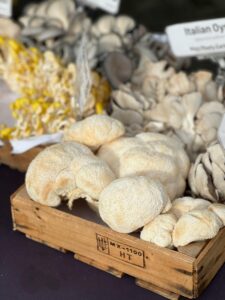
- Lion’s Mane (Hericium erinaceus): This distinctive mushroom, resembling a lion’s mane, is gaining popularity for its cognitive-enhancing effects. Studies suggest it may stimulate nerve growth factor (NGF) production, which plays a crucial role in brain health.
- Cordyceps (Cordyceps militaris/sinensis): Traditionally used to enhance energy and stamina, Cordyceps is believed to improve oxygen utilization and support athletic performance.
- Chaga (Inonotus obliquus): Found primarily on birch trees in cold climates, Chaga is rich in antioxidants and is believed to support immune function and overall vitality.
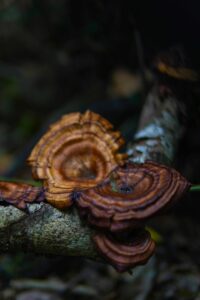
- Turkey Tail (Trametes versicolor): This colorful mushroom, named for its fan-like shape, is packed with polysaccharides that may boost immune function.
- Shiitake (Lentinula edodes): While also a culinary staple, Shiitake contains lentinan, a beta-glucan with immune-supporting properties.
- Maitake (Grifola frondosa): Known as the “dancing mushroom,” Maitake is believed to support healthy blood sugar levels and immune function.
Where Do They Grow?
Functional mushrooms thrive in diverse environments, from forests to mountainous regions.
- Reishi: Found in hardwood forests, particularly on decaying logs and stumps.
- Lion’s Mane: Grows on hardwood trees, such as oak and beech, in North America, Europe, and Asia.
- Cordyceps: Traditionally found in high-altitude regions of the Himalayas, growing on insect larvae. Now, it is also cultivated.
- Chaga: Primarily found in cold climates, growing on birch trees in North America, Europe, and Russia.
- Turkey Tail: Found worldwide on decaying logs and branches.
- Shiitake: Native to East Asia, growing on hardwood trees.
- Maitake: Found in hardwood forests in North America, Europe, and Asia.
Traditional Uses in Medicine
Functional mushrooms have a long history of use in traditional medicine systems, particularly in Traditional Chinese Medicine (TCM) and other Asian cultures. They were revered for their ability to promote longevity, vitality, and overall health.
- TCM: Reishi, Cordyceps, and other functional mushrooms have been used for centuries to address various health concerns, including respiratory issues, immune support, and cognitive function.
- Other Traditional Uses: Indigenous cultures around the world have also recognized the medicinal properties of mushrooms, using them for various ailments.
Incorporating Functional Mushrooms into Your Diet
Functional mushrooms are available in various forms, making them easy to incorporate into your daily routine:
- Powders: Can be added to smoothies, coffee, tea, or baked goods.
- Capsules: Convenient for those who prefer a standardized dosage.
- Tinctures: Liquid extracts that can be taken sublingually or added to beverages.
- Teas: Reishi, Chaga, and other mushrooms can be brewed into soothing teas.
- Whole Mushrooms: Shiitake and maitake can be enjoyed in culinary dishes.
Potential Health Benefits and Scientific Research
While research on functional mushrooms is ongoing, studies suggest they may offer a range of potential health benefits:
- Immune Support: Many functional mushrooms contain beta-glucans, which may enhance immune function.
- Cognitive Function: Lion’s Mane shows promise for supporting brain health and cognitive function.
- Stress Reduction: Reishi is known for its calming effects and may help reduce stress and anxiety.
- Energy and Stamina: Cordyceps may improve energy levels and athletic performance.
- Antioxidant Properties: Chaga and other mushrooms are rich in antioxidants, which may protect against cellular damage.
- Blood Sugar Regulation: Maitake may help regulate blood sugar levels.
Important Considerations
- Quality: Choose high-quality products from reputable sources.
- Dosage: Follow recommended dosage guidelines.
- Allergies: Be aware of potential allergies.
- Interactions: Consult with a healthcare professional before using functional mushrooms, especially if you are taking medications or have underlying health conditions.
- Pregnancy and Breastfeeding: Consult with a healthcare provider before use.
The Future of Fungi
Functional mushrooms represent a fascinating frontier in the pursuit of health and wellness. As research continues to uncover their potential benefits, these natural wonders are poised to play an increasingly important role in our lives. Embracing the power of fungi can unlock a world of natural support for a healthier, more vibrant you.